
Briefs and Annual Report Fall 2026
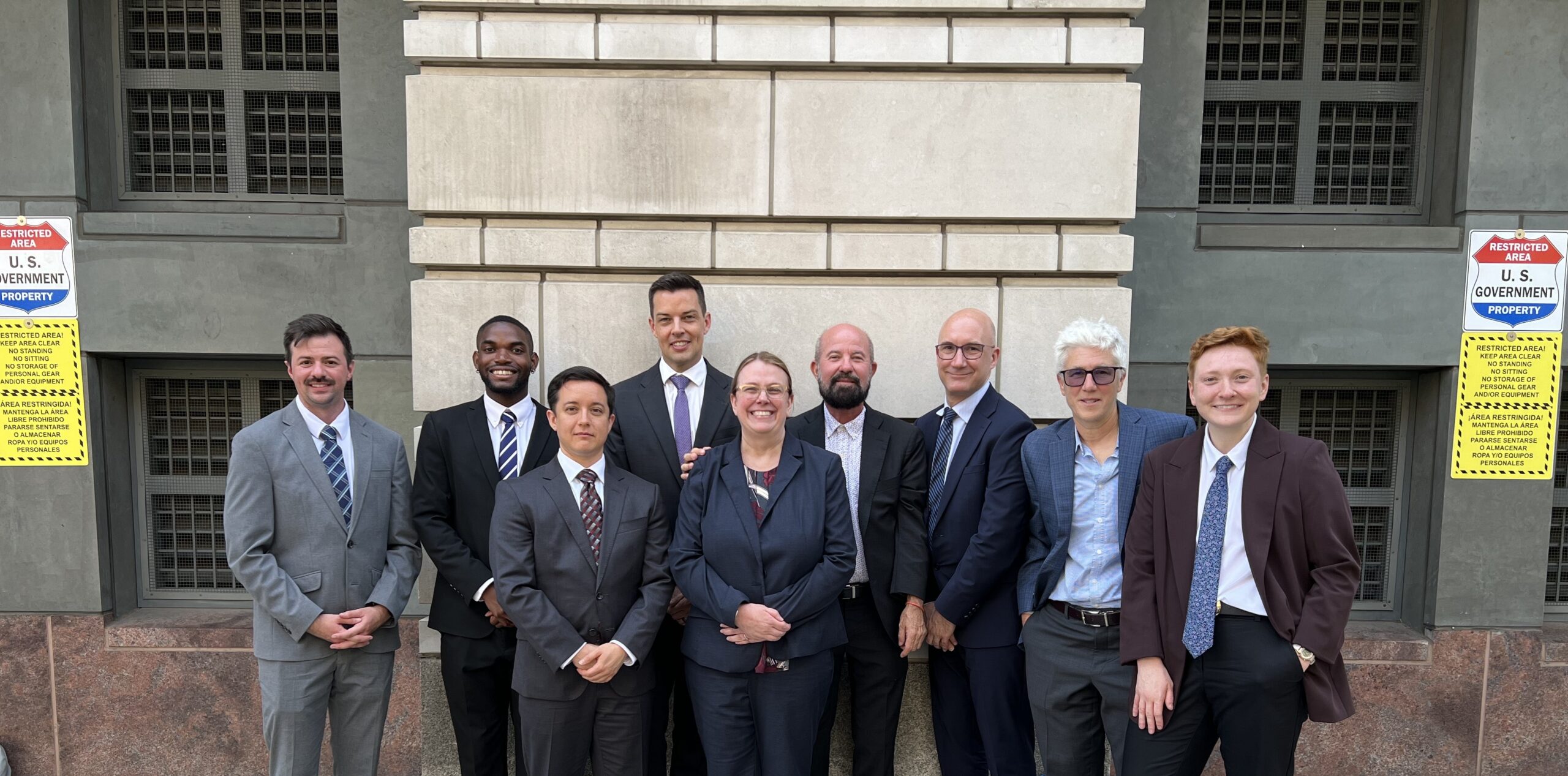
Talbott c. États-Unis legal team and plaintiffs
Dans ce numéro




Du directeur exécutif Ricardo Martinez

Chers amis,
Since 1978, GLAD Law has fought for the rights of LGBTQ+ people and people with HIV. For nearly 50 years, our work has been defined by innovative litigation that pushed past the limits of what many believed was possible at each moment in history.
We were the first to bring a case securing a young person’s right to take a same-sex date to prom. We launched the first-ever legal project dedicated to transgender rights. We won marriage equality across New England, then carried that fight to the US Supreme Court and secured the freedom to marry nationwide. And we won a landmark Supreme Court decision extending nondiscrimination protections to people with HIV.
Each of these victories began the same way: with the conviction that progress was possible, and the determination to build the case law that would make it real. Again and again, we have envisioned a better future in the face of fierce political headwinds. That is who we are. We hold an audacious belief that a better future for LGBTQ+ people is within reach, even when not all of us can see it yet.
That legacy matters more now than ever, because people are suffering. LGBTQ+ people have become a primary target of attacks on our health care, our families, our identities, and our ability to participate fully in public life.
Before the January 2025 inauguration, we set a clear strategy for the years ahead. Stop as much harm as possible. Where we cannot stop it immediately, delay it. Mitigate the damage to people’s lives. Keep community at the center of everything we do. And keep pressing forward wherever opportunities for progress remain.
Here is what that strategy has achieved.
We have filed 13 lawsuits to date challenging some of the administration’s most egregious executive orders and actions targeting transgender people. These cases are a frontline defense, holding the government accountable to the Constitution and the rule of law, and protecting the people most directly in harm’s way.
We’ve helped pass updated parentage laws in Michigan, Massachusetts, Hawaii, New Mexico, Delaware, and Oregon. These laws help ensure that children are secure in their legal relationships with the parents who love and raise them, no matter how their families were formed.
We secured a ruling in federal court that private employers cannot use an owner’s personal religious beliefs to avoid complying with nondiscrimination requirements under our employment laws.
We passed the strongest law in the country protecting access to PrEP for HIV prevention in Massachusetts, creating a model for other states to follow.
With state partners, we defeated efforts to place an anti-transgender sports ban on Maine’s 2026 ballot, sparing transgender young people from becoming the target of a divisive statewide campaign.
These wins are a testament to what is possible when we refuse to accept the limits others try to place on us. They are also a reminder of how much work remains. In the pages that follow, you’ll find a fuller account of our progress, the challenges ahead, and the people at the heart of this work.
We will keep going, without letting up, toward a future where every LGBTQ+ person and every person with HIV can live openly and fully, free from legal and social barriers, in every part of life. Thank you for standing with us.
Avec gratitude,
Ricardo Martinez, Directeur exécutif
Personnel juridique de GLAD
Ricardo Martinez, Directeur exécutif
Josh Arsenault, Directeur du développement
Sarah Austin, avocat salarié
Donovan Bendana, Liman Law Fellow
Mary L. Bonauto, Senior Director of Civil Rights & Legal Strategies
Christopher Borger-Hernandez, Responsable de bureau
Eva Boyce, directeur financier
Gary Buseck, Tim Stein et Wayne Fette Conseiller principal
Jordan Caress-Wheelwright, Directeur adjoint des dons majeurs
Patience Crozier, Directrice de la défense des droits de la famille
Braedyn Dorn, Coordonnatrice des communications et de l'éducation du public
Chris Erchull, avocat principal
Beth Grierson, Assistant Director of Operations & Administration
Michael Haley, avocat salarié
Kayden Hall, Gestionnaire de réponses juridiques GLAD
Ambre Hoy, Coordinateur(trice) du marketing de développement
Hannah Hussey, avocat salarié
Susie Husted, Responsable des opérations de l'équipe juridique
Amanda Johnston, Directrice des communications et de l'éducation publique
Roi d'Ivoire, Directrice adjointe des communications et de l'engagement du public
Bennett Klein, Senior Director of Litigation & HIV Law
Jennifer L. Levi, Senior Director of Transgender & Queer Rights
Ben Marcus, Chargé de recherche principal en droit constitutionnel
Carol Marton, Directeur commercial
Qwin Mbabazi, Senior Manager of Organizational Culture & Community Partnerships
Ella Mbanefo, Parajuriste
Andy Mendez, Coordonnateur des opérations de développement
Gabrielle Navarro, Responsable principal de l'information publique
Éric Ngo, Parajuriste
Renae Paulson, Responsable des opérations de développement
Michelle Peng, Responsable des événements de collecte de fonds
Aria Pierce, Senior Responsable des dons institutionnels
Rachel Ramirez-Gaudet, Digital Content & Social Media Coordinator
Lisa Rodriguez-Ross, avocat salarié
Joshua Rovenger, Directeur juridique
Hailey Saya Tomlinson, Parajuriste
Sky Syzygy, Responsable principal des dons communautaires
Jo Troll, Finance & Operations Coordinator
Aaron Wolfson, Responsable principal des médias numériques
Angela Wu, Chargé de recherche en droit constitutionnel
Conseil d'administration
Joseph Metmowlee Garland, Président
Dallas M. Ducar, MSN, RN, NP, CNL, FAAN, vice-président
Rachel Goldberg, Trésorier
Beth R. Myers, Greffier
Jamie Bergeron
Inga S. Bernstein
Jean-Philip Brignol
Alexandra Chandler
Ray Cheng
Mike Dillon
Nima Eshghi
Amanda Hainsworth
Luis Gabriel Hoyos
Sarah Kaplan
Ryan Rasdall
Marlène Seltzer
Matt Wilder
Jacob Smith Yang
New Paths to Protecting LGBTQ+ Rights: State Constitutions and Reclaiming the First Amendment
GLAD Law has fought for decades to establish that the constitutional guarantees of liberty and equality apply fully to LGBTQ+ people, including the right to live openly, participate equally in public life, and form families. That work, by GLAD Law and others, has transformed American law – from Goodridge c. Ministère de la Santé publique, which made Massachusetts the first state to recognize marriage equality, to landmark federal cases like Lawrence c. Texas, États-Unis c. Windsor, et Obergefell c. Hodges protecting LGBTQ+ people from discrimination.
Today, the US Supreme Court is a less hospitable place to bring those claims. Its increasingly restrictive view of the US Constitution has made it harder to rely on federal law as the sole foundation for advancing LGBTQ+ equality, while its reinterpretation of the First Amendment has created new threats to laws protecting LGBTQ+ people.
GLAD Law’s constitutional strategy recognizes this reality and provides multiple paths for securing LGBTQ+ rights. One is looking beyond the federal Constitution to state constitutions, where distinct language, histories, and legal traditions can provide independent protections for LGBTQ+ people. Another is taking on a changing First Amendment landscape – one that presents increasing challenges to LGBTQ+ rights but also new opportunities to protect LGBTQ+ people and advance their interests.
Together, these approaches reflect a fundamental premise of GLAD Law’s constitutional work: protecting LGBTQ+ equality requires not only defending the rights we have won but developing new legal theories and alliances to protect them in the future.
Looking to the States
There are 50 state constitutions, each with its own language, history, and legal tradition. While many contain provisions that resemble those in the federal Constitution, state courts aren’t required to interpret them exactly as the Supreme Court interprets its federal counterpart. There is a strategic opportunity here to develop new constitutional theories in state courts for advancing LGBTQ+ rights.
“Even if language in a state’s constitution is identical to language in the federal Constitution, the interpretation of that language may be different,” said Angela Wu, a GLAD Law constitutional law fellow. “State courts can look to the unique history of their own constitutions and affirm protections that are independent of federal constitutional law.”
For LGBTQ+ people, that matters in an era of sustained challenges to federal constitutional protections.
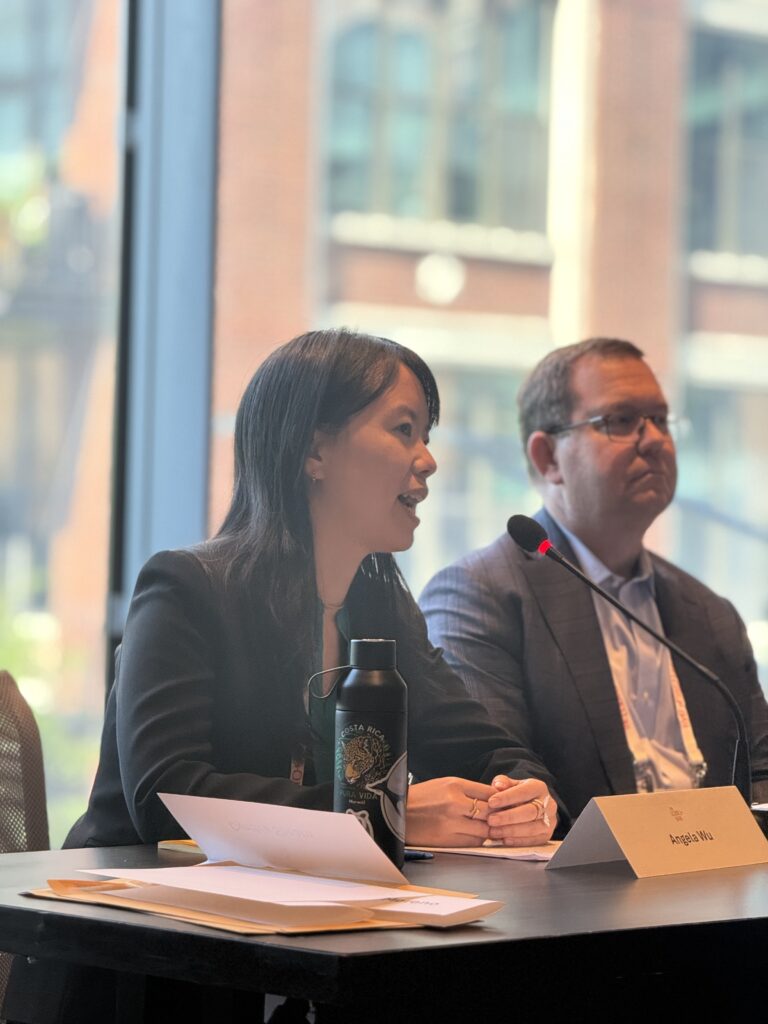
GLAD Law is undertaking research across multiple areas of state constitutional law including education, health care, speech, equality, and due process to identify where state constitutions may provide stronger protections for LGBTQ+ people. That work starts with the text of each constitution, but it doesn’t end there. Wu and her GLAD Law colleagues are examining the history and development of key provisions, how state courts have interpreted them, and whether there are opportunities to develop new arguments based on a state’s own constitutional tradition.
The strategy builds on an important lesson from the fight for marriage equality.
State constitutions, like the federal Constitution, are living documents with their own histories. Yet the meanings of some state constitutional provisions are relatively un- or under-explored, creating litigation opportunities to establish that they protect liberty and equality. When the Massachusetts Supreme Judicial Court ruled that denying same sex couples the right to marry violated the Massachusetts Constitution, for example, it emphasized the state constitution’s strong and explicit guarantees of freedom, equality, and individual liberty for all.
Long before the Supreme Court recognized a constitutional right to marriage equality nationwide, GLAD Law and others made the case state by state. Goodridge wasn’t simply a victory for Massachusetts couples. It demonstrated that a state does not have to wait for the Supreme Court to recognize a right. State constitutional litigation can therefore have a powerful ripple effect.

A decision by the highest court in a state applies within that state – an obvious limitation. But a successful argument can also provide a legal theory, a body of precedent, and a roadmap that advocates elsewhere can build upon. State courts can become laboratories for constitutional arguments that may eventually influence courts and lawmakers beyond their state borders.
That doesn’t mean state constitutional litigation replaces federal advocacy. Rather, state constitutional litigation can offer another avenue in periods even when a federal constitutional claim may face significant obstacles.
For GLAD Law, the goal is to build a broader constitutional foundation for LGBTQ+ equality that doesn’t depend entirely on the direction of the Supreme Court at any particular moment.
Reclaiming the First Amendment as a Tool for Pluralism
Constitutional strategy, however, isn’t only about finding new places to protect LGBTQ+ rights. It also requires engaging with constitutional doctrines that are already changing the legal landscape. Nowhere is that more important than the First Amendment.
The First Amendment protects freedoms that have always been essential to LGBTQ+ people: religious freedom and the freedoms to speak, write, march, and petition for equality. None of these freedoms – including freedom of speech and religious freedom – are inherently at odds with LGBTQ+ rights. Free speech benefited ACT UP activists in the 1980s and drag queens today, for example, in the face of hostile governments. And many of the millions of LGBTQ+ people of faith belong to religious communities that affirm the value and dignity of all people, including queer and trans people.
Yet the Supreme Court continues to consider First Amendment claims aimed at weakening laws prohibiting discrimination. Recent cases including Fulton c.Ville de Philadelphie, 303 Creative LLC v. Elenis, Mahmoud c. Taylor, et Chiles c. Salazar reflect a rapidly changing legal landscape around the free exercise of religion and free speech.
For LGBTQ+ advocates, the concern isn’t necessarily that the Court will directly overturn landmark decisions such as Laurent ou Obergefell. Another possibility is more incremental: First Amendment doctrines could be re-interpreted in ways that gradually hollow out the protections those decisions, along with laws, regulations, and policies protecting LGBTQ+ people and others from discrimination, are meant to provide. In other words, the First Amendment is a critical constitutional battleground.
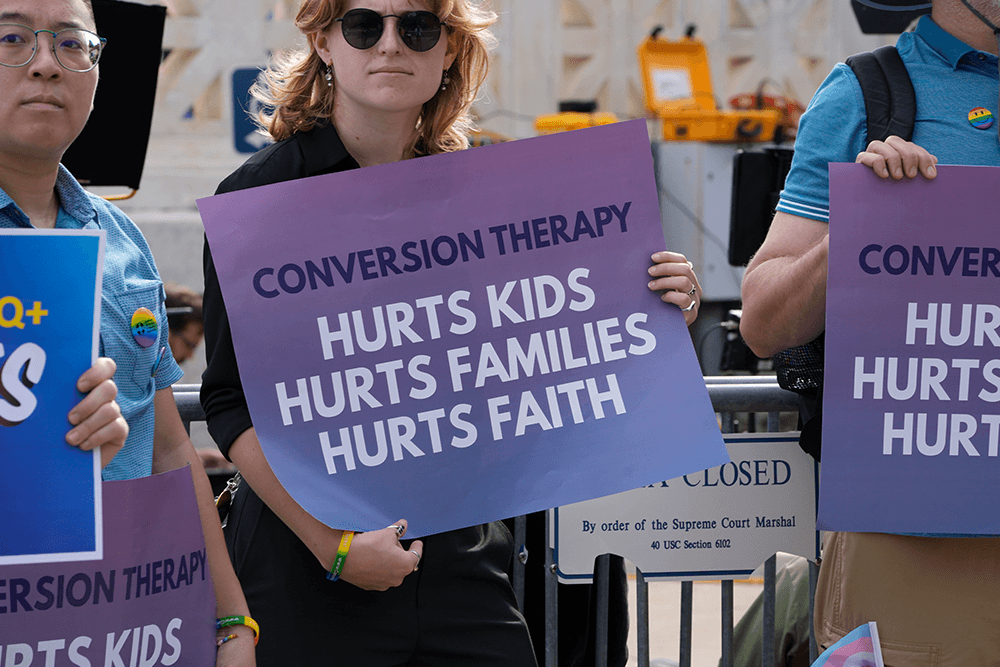
GLAD Law’s response is not to argue for less First Amendment protection. It is to defend a First Amendment that protects pluralism.
That means defending LGBTQ+ people against First Amendment theories that could undermine civil rights protections. But it also means recognizing that the First Amendment can be a powerful tool for LGBTQ+ people themselves – including LGBTQ+ people of faith.
A Case About Public Money and Equal Access
Paroisse catholique Sainte-Marie contre Roy, now before the Supreme Court, illustrates both the challenge and the stakes.
Colorado’s universal preschool program is open to both religious and secular schools. Schools that participate and accept public funding must provide equal opportunity to enroll without discrimination, including discrimination based on LGBTQ+ identity.
St. Mary Catholic Parish and the other petitioners in the case want an exemption to allow them to accept the public funding from the program while excluding some children because they have LGBTQ+ parents. GLAD Law and Lambda Legal a déposé un mémoire d'ami de la cour urging the Supreme Court to uphold Colorado’s nondiscrimination requirement.
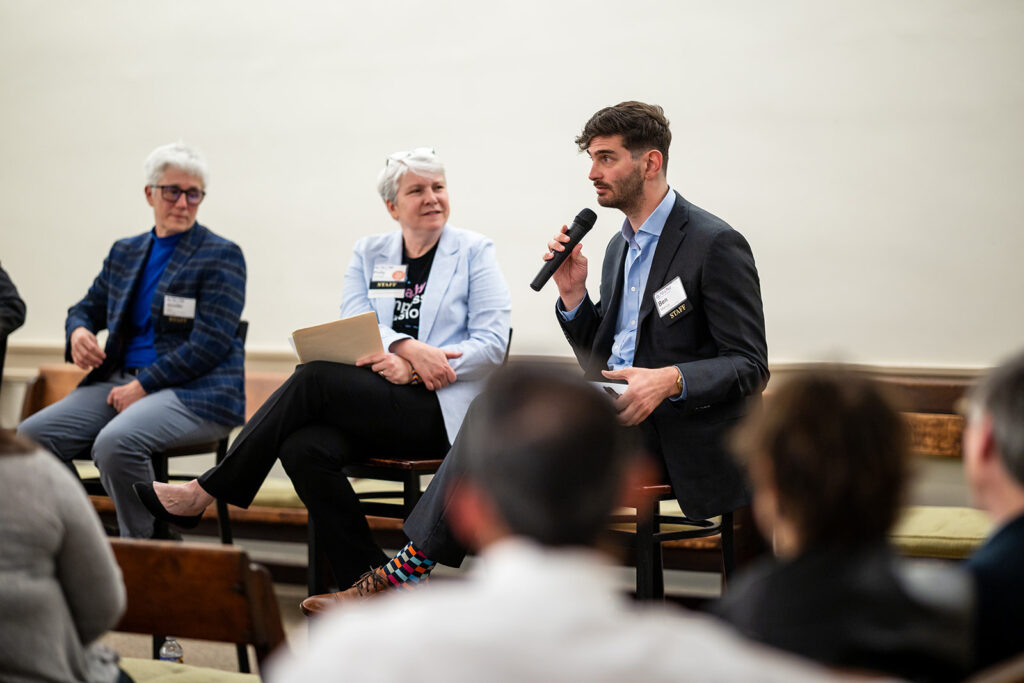
The legal question, explains Ben Marcus, a GLAD Law constitutional law fellow, is narrower than the moral or theological questions that can surround a dispute like this. The issue is whether the government can establish neutral conditions for participation in a publicly funded program – and require organizations that accept those funds to provide equal access.
That distinction matters. GLAD Law isn’t asking courts to decide which religious beliefs are legitimate, nor is it arguing that religious communities should be forced to abandon their beliefs. The question is what rules government can establish when it provides public funds and opens a program to both religious and secular institutions.
That is part of a broader principle: religious freedom and LGBTQ+ equality don’t have to be a zero-sum game.
LGBTQ+ people are not simply on one side of a supposed divide between “religion” and “LGBTQ+ rights.” LGBTQ+ people are members of religious communities. They are clergy and congregants. They lead religious institutions. They practice their religion in ways that are deeply connected to who they are.
The same evolving First Amendment doctrines can also protect LGBTQ+ people whose religious beliefs may conflict with government requirements. If the Supreme Court decides that religious-freedom principles provide protection from laws in some circumstances, those protections do not operate in only one direction.
GLAD Law’s First Amendment work therefore includes making sure those voices are part of the legal conversation.
Constitutional Pluralism Beyond the Courtroom
That requires something more than sophisticated legal arguments.
It requires building relationships with religious leaders, interreligious organizations, and civil-liberties advocates, while working to strengthen religious literacy within the LGBTQ+ movement and LGBTQ+ literacy within religious communities.
GLAD Law’s goal is to build a broader coalition around an understanding of religious freedom that does not require sacrificing LGBTQ+ equality.
The history of the marriage-equality movement again offers an important model. LGBTQ+ advocates engaged religious communities. Religious leaders and LGBTQ+ people of faith helped make the case that support for LGBTQ+ equality could itself be grounded in religious and theological traditions.
That work is particularly important now, as opponents of LGBTQ+ rights increasingly frame themselves as victims of government censorship or religious persecution. Our response requires both legal advocacy and a broader public understanding of what is actually at stake.
It means telling the stories of LGBTQ+ people of faith whose religious and LGBTQ+ identities are not in conflict but mutually reinforcing. It means working with affirming congregations, seminaries, and interreligious networks. And it means developing relationships with potential partners who bring religious expertise, civil-liberties perspectives, and other forms of knowledge to constitutional litigation.
As Marcus puts it, the goal is not to create “a homogeneous country” in which only one theory of the good is permitted. “In a pluralistic democracy, people and communities will inevitably hold deeply different beliefs about how to live and what constitutes a good life,” said Marcus.
“The role of constitutional law isn’t to eliminate those differences,” he added. “It’s to establish fair ground rules that allow people with those differences to live together.”
Building What Comes Next
Advancing LGBTQ+ rights in this challenging legal landscape requires committing the resources needed to develop and refine this long-term strategy, including research, litigation, coalition-building, and public education.
It means having the resources to identify opportunities in state constitutions before they become obvious. It means developing sophisticated First Amendment arguments before harmful theories become entrenched. It means identifying cases where GLAD Law can intervene, finding partners with specialized expertise and building relationships that can strengthen those efforts.
And it means being able to pursue opportunities that may not produce an immediate national victory but can lay the groundwork for one years in the future.
The legal victories of the past weren’t inevitable. They came from advocates who recognized openings in the law that others had not yet seen and patiently developed them into new avenues for advancing LGBTQ+ rights. That same long-term vision is essential now.
The future of LGBTQ+ constitutional rights will not be shaped by a single case or court. It will be shaped by the arguments we develop today, the relationships we build, and our willingness to look beyond familiar legal paths.
Deb and Ruby: A Legacy of Love
For nearly 50 years, GLAD Law has worked in the courts, in legislatures, and in communities across New England and the nation to make sure LGBTQ+ people are protected under the law. You can help ensure that we can continue this work for as long as it’s needed. By making a gift through your will or trust, GLAD Law supporters have an opportunity to make an impact that lasts for generations to come.

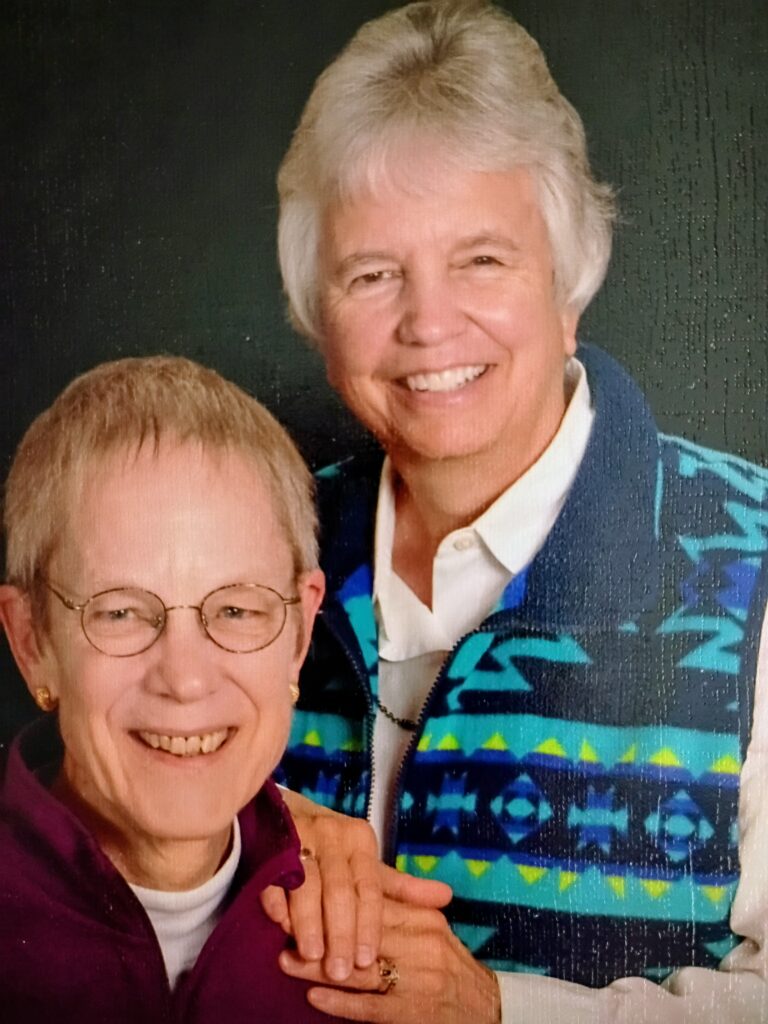
Together for more than 40 years, GLAD Law Legacy Society members Deb and Ruby promised each other they would not marry until their love was recognized by law. Thanks in part to GLAD Law’s pioneering work for marriage equality, they married in Maine in 2012. GLAD Law has been part of their estate plans ever since.
“We’re not going to make progress as a community until we have full confidence that the laws in this country support us,” Deb says. “So that really just said, well, yeah, that’s GLAD Law. We’re going to make sure that’s part of our legacy.”
For Ruby, a planned gift is about sustaining the fight for those who come next. “The work is important, but it takes resources,” she says. “It’s not just one Pride march. It’s 365 days a year, and that’s not free. So whatever anyone is able to give, it makes not only their life better, but those coming behind us.”
Deb and Ruby also encourage friends of all ages to make a will and to think carefully about the causes that matter most to them. As Deb reminds them, a will can always be updated as your life and priorities change. What matters is getting your wishes down on paper.
Through our partner FreeWill, you can create your will or trust online for free in about 20 minutes.
When you include GLAD Law in your will, trust, or estate plans, you join our Société de l'héritage, a community of supporters who are helping secure a brighter future for LGBTQ+ people everywhere. Members receive invitations to exclusive GLAD Law events like our VIP Esprit de justice and Summer Party receptions and annual Legacy Society Brunch, as well as recognition in GLAD Law Briefs.
Have you already included GLAD Law in your plans? Tenez-nous au courant so we can thank you and welcome you into the Legacy Society.
To learn more about leaving a legacy gift to GLAD Law, including sample bequest language and a full list of Legacy Society benefits, visit our Laissez un héritage page.

Un message du directeur financier

La santé financière de GLAD Law est solide.
We had 9.20 months of unrestricted reserves (i.e., net assets) as of March 31, 2026, including board-designated net assets (BDNA). While there are sufficient resources (cash and investments) to meet our current obligations, we face an uncertain climate and need to be equipped for the legal and legislative challenges ahead.
Our financial health is both intentional and important as we continue to make strategic investments in staff, litigation support, communication, public education, and infrastructure. Our five-year financial tool allows us to consider scenarios and discuss options and their impact on our reserves. The tool lets us test how today’s choices hold up over time. That foresight helps us stay steady when circumstances change, protecting both our capacity and our long-term commitments.
FY26 ended with an overall increase in net assets (aka surplus) of $2.02m. For a non-profit, it is important to look at the components (table below) and related highlights:
| Fonds de fonctionnement | Conseil désigné | Total sans restriction | Avec des restrictions pour les donateurs | Total | |
|---|---|---|---|---|---|
| Net Assets – March 31, 2025 | 2,776,765 | 4,500,001 | 7,276,766 | 2,442,244 | 9,719,010 |
| FY26 – Change in Net Assets | 121,587 | 114,668 | 236,255 | 1,785,163 | 2,021,418 |
| FY26 – Board approved transfer | (250,000) | 250,000 | – | – | – |
| Net Assets – March 31, 2026 | 2,648,352 | 4,864,669 | 7,513,021 | 4,227,407 | 11,740,428 |
- The unrestricted fund totals $7.5m and is up $236k (surplus); this soft landing is primarily due to investment income. Almost 2/3 (65%) of the unrestricted fund is ‘designated’ by the board of directors to (1) fund strategic initiatives and (2) maintain financial viability.
- The donor-restricted fund consists of cash gifts and pledges restricted by the donor for a specific purpose or time. This fund increased by $1.7m, which means new gifts exceeded ‘releases’ in FY26. The balance of $4.2m is available for future years based on the passage of time or level of expenditure.
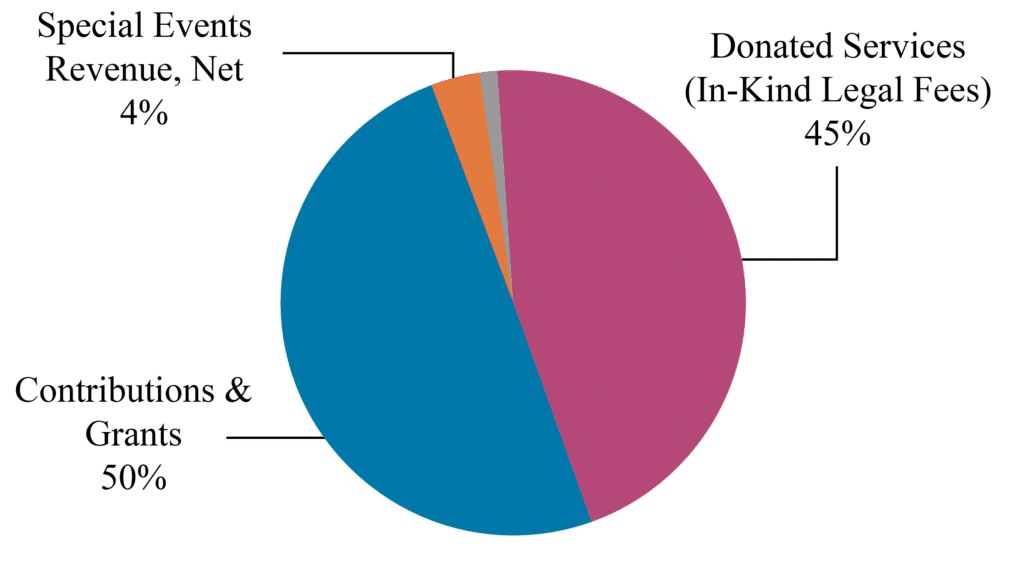
- During FY26, GLAD Law received $9.5m in donated legal services, an essential resource that supports our litigation work. This amount reflects a 16.7% increase in donated time from pro bono attorneys compared to the prior year, expanding our capacity to pursue cutting-edge legal strategies. These donated services are reported as both an income source and an expenditure.
De nombreux défis et opportunités se présentent, et nous avons besoin de votre soutien et de votre partenariat. Merci d'investir dans GLAD Law.
Eva N. Boyce
directeur financier
October 2026
Déclaration d'activités*
For the 12-month period ended March 31, 2026
| Support and Revenue | |
|---|---|
| Contributions et subventions | $10,384,567 |
| Special Events Revenue, Net | 741,378 |
| Frais et revenus du programme | 258,683 |
| Donated Services (In-kind Legal Fees) | 9,499,313 |
| Total Support and Revenue | 20,883,941 |
| Dépenses | |
|---|---|
| Programmes juridiques | 15,089,516 |
| Communications & Public & Education | 2,276,021 |
| Développement et collecte de fonds | 1,110,709 |
| Général et administratif | 737,905 |
| Total des actifs nets | 19,214,151 |
| Autres revenus (dépenses) | |
|---|---|
| Investment income, gains & losses | 351,628 |
| Variation totale de l'actif net | 2,021,418 |
|---|---|
| Actif net, début d'année | 9,719,010 |
| Actif net, fin d'année | $11,740,428 |
État de la situation financière*
March 31, 2026
| Actifs | |
|---|---|
| Trésorerie et équivalents de trésorerie | $594,250 |
| Comptes clients et gages | 1,011,070 |
| Investissements | 10,437,817 |
| Right of Use Lease Assets | 924,800 |
| Equipment, Deposits & Prepaid Expenses | 745,912 |
| Total des actifs | 13,713,849 |
| Passifs | |
|---|---|
| Comptes créditeurs et charges à payer | 948,536 |
| Passifs liés aux contrats de location-exploitation | 1,024,885 |
| Total du passif | 1,973,421 |
| Actif net | |
|---|---|
| Fonctionnement | 2,648,352 |
| Conseil désigné | 4,864,669 |
| Donor Restricted | 4,227,407 |
| Total des actifs nets | 11,740,428 |
| Total du passif et de l'actif net | $13,713,849 |
|---|
Income Mix – Including Donated Legal Fees
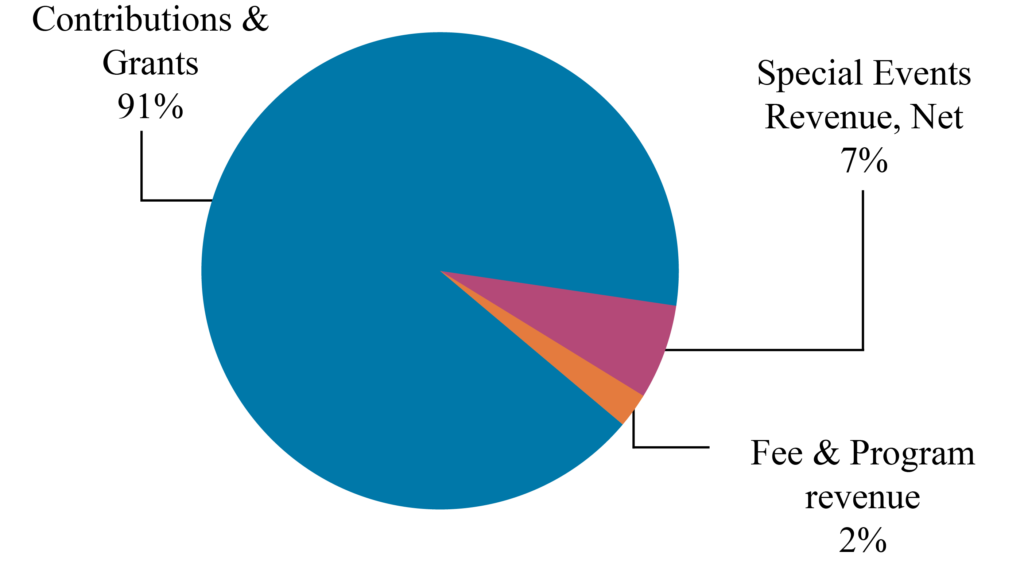
Income Mix – Excluding Donated Legal Fees
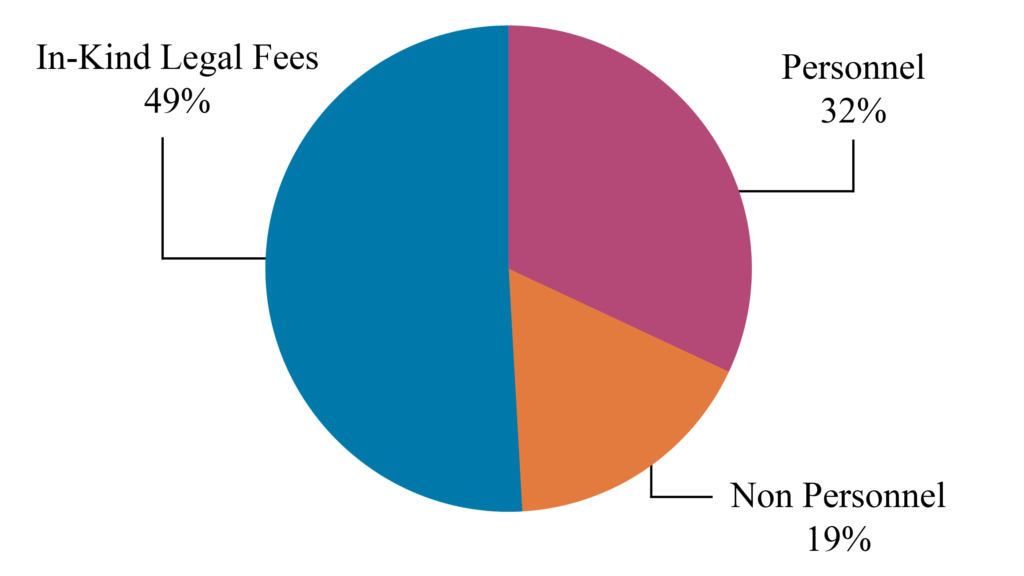
Cost Categories – Including Donated Legal Fees
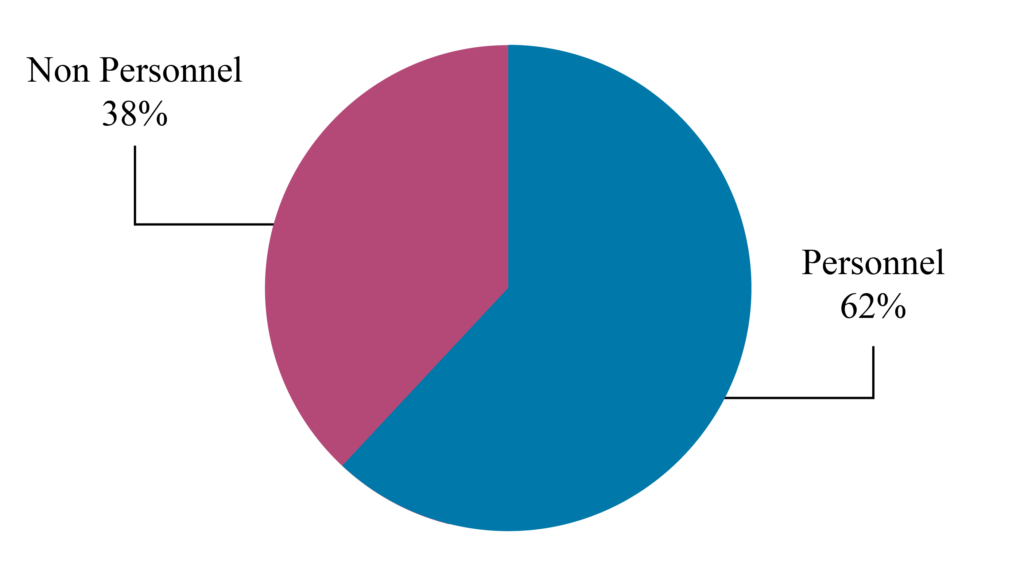
Cost Categories – Excluding Donated Legal Fees
*Summarized from GLAD Law’s audit report; disponible sur notre site Web. Read the message from the CFO for more information.
“The Dads” Documentary Showcases the Power of Fathers Showing Up for Their Transgender Kids
When fathers of transgender and nonbinary kids connect with each other, they learn that being a good dad is at once hard and really simple: love and support your kid loudly and proudly. That’s the heart of “The Dads,” a documentary that follows these fathers on a journey of fatherhood as an act of radical love and resistance.
The film was directed by Emmy Award-winning filmmaker Luchina Fisher and executive produced by Dwyane Wade.


GLAD Law was honored to partner with the filmmakers to present three screenings of The Dads across New England this September. We teamed up with MTPC and TransHealth for a screening in Worcester, MA; with NH Outright and ACLU NH for a screening in Portsmouth, NH; and with Equality Maine, MaineTransNet, Maine Women’s Lobby, OUT Maine, and Portland Outright for a screening in Portland, ME. Each was followed by a Q&A with filmmakers, local LGBTQ+ advocates, and dads from the film.
Transgender kids need and deserve love, support, and health care like any other kids. When more people understand that this is about families caring for their children, it becomes harder for hostile politicians to push harmful laws and policies.
Bring “The Dads” to your community. Gather your friends, neighbors, or faith group, watch these dads show up for their kids, and talk about what comes next. Find out how to host a screening, or find one coming to a festival or theater near you, at LeFilmDesPères.com.

Mise à jour juridique
Litige
Fighting for Transgender Servicemembers
Talbott c. États-Unis
GLAD Law is challenging the Trump administration’s executive order and policy banning transgender people from military service. This policy demeans transgender people as dishonest and unfit and purges them from careers they have built with courage and distinction.
The Trump administration has accelerated its actions against transgender servicemembers in recent months, searching medical records to “find” anyone who might be transgender, pulling experienced troops off duty, and holding separation boards at which servicemembers have no real opportunity to participate and for which the ban predetermines the outcome. Not only is this upending the careers and lives of these servicemembers and their families, but it is also pulling experienced troops off duty, taking them out of vital leadership roles, and weakening our military to the detriment of the country.
While a May 2025 Supreme Court shadow docket order – issued without full briefing and oral argument – in a related case allowed the administration to begin enforcing the ban, on June 1, 2026, the US Court of Appeals for the District of Columbia Circuit issued a powerful ruling concluding the ban is based on animus against transgender people and therefore likely unconstitutional. Once finalized, the Appeals Court order will block enforcement of the ban against the Talbott servicemember plaintiffs while the case proceeds.
The decision is a powerful vindication of the plaintiffs’ extraordinary courage and unwavering commitment to their country. It confirms that the Trump administration has no legitimate basis to discharge transgender servicemembers who have met every demanding standard and proven, time and again, their fitness and dedication to serve.
In addition to this appellate decision, on June 30, the Talbott legal team argued for class certification at the Federal District Court for the District of Columbia. If finalized, class certification will ensure that future protections won in Talbott will extend to all servicemembers impacted by the ban.
A full trial in Talbott is scheduled to begin in the federal district court in January 2027, at which we will present the evidence showing that the Trump-Hegseth ban is based solely on bias in violation of the Constitution, is detrimental not only to transgender servicemembers but to the military itself, and must be blocked.
As we prepare for trial, the Trump administration has petitioned the US Supreme Court to take up the case, and we will file our response in early November. Regardless of whether the Supreme Court decides to take the case this term, we will continue fighting for transgender servicemembers and working to have this ban reversed for good.
GLAD Law is joined in this lawsuit by the National Center for LGBTQ Rights (NCLR), Joseph Wardenski of Wardenski P.C., O’Melveny & Meyers LLP, and Inga Bernstein of Zalkind Duncan & Bernstein.
Irlande contre États-Unis
In November 2025, we filed a case in the US Court of Federal Claims in DC, challenging the Air Force’s decision to revoke the already granted retirements of 17 transgender servicemembers following the implementation of the Trump-Hegseth transgender military ban. These are individuals who have served between 15 and 17 years in the Air Force or Space Force and had received retirement orders that entitled them to a military pension and lifelong health care benefits for themselves and their families.
Despite making a commitment to provide these benefits, the Air Force abruptly and baselessly reversed course and is forcing these members to go through the separation process under the ban. Many had already made plans for their post-military careers – getting jobs, moving cross-country, enrolling their kids in school, and more – only to have their benefits and ability to plan their futures ripped away. On top of this immediate upheaval, they face losing millions of dollars in lifetime pension benefits, as well as TRICARE health care coverage for themselves and their families. These are important benefits we, as a country, promise in recognition of the sacrifices servicemembers make through long-term service, including that retirement planning can be more challenging than it is for civilians. For example, the demands of a military career often prevent servicemembers from buying houses to build equity or limit their spouse’s career opportunities.
Twice this year, as recently as September 22, GLAD Law defeated efforts by the Trump administration to get the case out of federal court and to evade accountability for its betrayal of these servicemembers. The Court denied the government’s motions, keeping the case open and allowing it to proceed.
Irlande was filed in partnership with the National Center for LGBTQ Rights, Eli Segel of Stapleton Segal & Cochran LLC, and Jeremy Spiegel of The Law Office of Jeremy Spiegel.
Protections de l'emploi
Bernier c. Turbocam
A federal court ruled on September 28, 2026, that private manufacturing corporation Turbocam, Inc. cannot rely on the Religious Freedom Restoration Act (RFRA) and the First Amendment to dodge a sex discrimination claim brought by Lillian Bernier, a transgender woman who has worked as a machine operator at the company since 2019. The court held that the case must now proceed to trial, where a jury will decide whether Turbocam’s refusal to cover Bernier’s medically necessary health care violates federal law.
Lillian works nights. She relies on her job to support her family and get medical care. Her employer, Turbocam, refuses to cover gender transition care in its employee health plan for the sole reason that the company’s owners disapprove of gender transition. GLAD Law is committed to holding Turbocam accountable.
Lillian’s employment claim arises under Title VII, which the Supreme Court held in Bostock c. Comté de Clayton (2020) protects LGBTQ+ workers from sex discrimination. GLAD Law is fighting to ensure nondiscrimination laws like Title VII continue to protect everyone in our community, including Lillian.
Accès aux soins de santé
Challenging Denials of Care at Yale New Haven Health and Connecticut Children’s Medical Center
Ten Connecticut individuals and families filed challenges to the sudden termination of medical care for transgender adolescents and young adults at Yale New Haven Health and Connecticut Children’s Medical Center. Both hospital systems abruptly stopped providing medically necessary care for transgender patients under 19 in late July 2025, leaving patients and their parents stunned, and families scrambling to find alternative options for ongoing care for their children to avoid serious health risks. No federal policy compelled the hospitals to take this action.
In partnership with counsel Kevin Barry, we filed complaints with the Connecticut Commission on Human Rights and Opportunities (CHRO) on December 16, 2025, challenging the termination of care under Connecticut nondiscrimination law.
In a betrayal of patients and families, on August 5, 2026, the Department of Justice announced a settlement with CCMC in which the medical center agreed it would not provide well-established medical care for transgender youth for a period of 10 years. Nothing in this settlement agreement prevents our case from moving forward.
This fight continues – our legal challenge is currently pending in the CHRO. Standing strong in the face of authoritarianism is the best defense. This case is critical to our clients’ access to necessary health care et to holding accountable those who unnecessarily capitulate to this regime.
Doe v. US Department of Defense
On behalf of three military families, we are suing the Department of Defense after an abrupt and unlawful policy change that blocks their adult transgender dependents from accessing essential medical care. For nearly a decade, servicemembers and their families relied on the military health system to provide this care.
In spring 2025, the Trump administration ordered the Department of Defense to prohibit military clinics and hospitals from providing care to transgender adolescent and adult dependents and barred TRICARE, the military’s insurance plan that covers adult dependents, from covering these services anywhere. The directive was issued without the legally required notice to Congress or affected families, leaving families scrambling to find new providers, forced to pay out-of-pocket, or risk their dependents’ health.
This was a sweeping reversal of military health policy and a betrayal of military families who have sacrificed for our country. When a servicemember is deployed, they deserve to know their family is taken care of.
We are pursuing this case in the US District Court for the District of Maryland on behalf of the families with our partners National Center for LGBTQ Rights (NCLR), Brown Goldstein & Levy, LLP, and Keker, Van Nest & Peters LLP.
Goe v. US Department of Health & Human Services
On October 1, GLAD Law and our partners filed a lawsuit on behalf of four New Hampshire families challenging a new Trump administration health care rule that would end medical care for some transgender adolescents and teenagers in low-income families insured through Medicaid. A hearing is scheduled for October 30 in federal district court in New Hampshire.
The rule was issued in August by the Centers for Medicare & Medicaid Services. It cuts off federal Medicaid and CHIP funding for medications and other treatment for gender dysphoria for young people. The ban applies even when a patient’s own doctor has determined the care is medically necessary.
This new rule is illegal. Congress created Medicaid 50 years ago, and the president has never had the authority to decide what is and isn’t covered. Medicaid rules say a covered treatment can’t be denied because of a patient’s diagnosis. That rule, and the limitation on the President’s authority to change what is covered, protects tout le monde from losing the care they need. The Trump administration is trying to change that.
The new rule is also wildly unpopular. More than 90% of the public comments submitted about this rule were opposed to it. The law requires the government to engage with that evidence before implementing a new regulation. Instead, the Trump administration ignored both the public and the law.
GLAD Law, the National Center for LGBTQ Rights, the ACLU of New Hampshire, and Robinson + Cole represent the families.
Advocating for the Safety of Transgender People in Prison
Serving a prison sentence should not mean being subject to sexual violence. Yet the Trump administration is pushing policies that put incarcerated transgender women at 10x higher risk of assault.
Doe contre Blanche
At the beginning of President Trump’s second term in January 2025, GLAD Law brought three challenges to his executive order directing the Bureau of Prisons to transfer transgender women in women’s prisons to men’s prisons without regard to individual health and safety risks. Within days, we obtained preliminary injunctions that blocked those transfers and kept our clients in women’s facilities. These lawsuits were consolidated under one caption, Doe v. Blanche.
The government appealed the initial preliminary injunctions, and the appellate court sent the case back to the trial court for further fact-finding. We asked the federal district court in Washington, DC, for new injunctions protecting our clients from the extremely high risk of violence, sexual assault, self-harm, and suicide they would each face if transferred to men’s prisons. The court granted a new preliminary injunction on June 7, 2026, blocking the transfers. We are currently defending this injunction on appeal before the DC Circuit.
Since then, the government has moved our currently incarcerated clients into a segregated, punitive housing unit within a women’s facility. We have filed multiple emergency motions with the district court to protect our clients from the serious harms they face in segregation.
GLAD Law is joined in this litigation by the National Center for LGBTQ Rights (NCLR), Lowenstein Sandler LLP, and Brown Goldstein & Levy LLP.
Affaire Poe contre le ministère de la Justice des États-Unis
In December 2025, the Department of Justice issued an internal memorandum that unilaterally suspended longstanding federal regulations under the Prison Rape Elimination Act (PREA), targeting every single PREA regulation that is designed to protect incarcerated transgender, intersex, and gender non-conforming people from sexual abuse in custody. GLAD Law filed a complaint in the US District Court for the District of Columbia on behalf of a transgender incarcerated woman, challenging the memo as procedurally invalid under the Administrative Procedure Act (APA).
Federal government data show that transgender people in prison are sexually abused or assaulted at nearly 10 times the rate of the general prison population. Multiple non-governmental studies of transgender incarcerated people concluded that more than 50% have been sexually assaulted while incarcerated, and many have been violently attacked and repeatedly victimized. The now-suspended PREA regulations were designed precisely to address this documented, disproportionate risk.
On July 23, we filed a motion for summary judgment, asking the federal District Court for the District of Columbia to declare DOJ’s memo unlawful, stop its implementation, and declare that the targeted PREA regulations remain in effect.
GLAD Law is joined in this lawsuit by the National Center for LGBTQ Rights, Lowenstein Sandler LLP, and Wardenski P.C.
Protecting Civil Rights Protections for Students and Educators
NEA-NH c. Formella
In October 2025, GLAD Law and our partners won a preliminary injunction blocking a sweeping school censorship law in New Hampshire. The challenged law, passed as part of the state budget, sought to ban diversity, equity, and inclusion (DEI) programs addressing race, gender, sexual orientation, gender identity, and disability. The law applied broadly across New Hampshire’s K-12 public schools, public and private colleges and universities, as well as public entities like police departments and libraries.
This far-reaching restriction contradicts federal civil rights protections for students with disabilities and violates educators’ constitutional rights. Our injunction means that almost all school districts in New Hampshire can continue to provide students with a complete education that reflects the diversity of their communities.
While the court’s order halts enforcement of the law against New Hampshire school districts, the case continues in federal court as we work to ensure that New Hampshire public schools can fulfill their essential role: preparing students to participate in a pluralistic democracy.
The plaintiffs include the National Education Association–New Hampshire (NEA-NH), four school districts (Oyster River Cooperative, Dover, Somersworth, and Grantham), diversity consultant James M. McKim, Jr., DEI administrator and psychology professor Dottie Morris, and New Hampshire Outright, a nonprofit that trains schools and public entities to foster inclusion and belonging for LGBTQ+ youth. We are litigating this case alongside ACLU of New Hampshire, the ACLU’s Disability Rights Project and Racial Justice Program, and Drummond Woodsum & MacMahon as co-counsel.
Stopping the Department of Justice from Unlawfully Obtaining Private Medical Records
Concernant l'assignation à comparaître de 2025 adressée à l'hôpital national pour enfants et Concernant les assignations administratives adressées aux hôpitaux pour enfants
GLAD Law represents eight families who asked a federal court to deny a US Department of Justice (DOJ) demand for sweeping access to their children’s private and sensitive medical information.
On January 21, 2026, the US District Court for the District of Maryland granted our motion to block a federal subpoena as applied to our specific plaintiffs, aimed at threatening transgender youth and their families and chilling access to lawful health care.
Le tribunal a clairement établi que les actions du gouvernement étaient dépourvues de tout objectif d'enquête légitime et visaient uniquement à intimider et à harceler les personnes en quête de soins. Cette affirmation est d'une importance capitale pour nos clients, au cœur de cette affaire, ainsi que pour d'innombrables autres professionnels de santé et patients transgenres à travers le pays qui ont suivi la situation avec attention.
On May 9, we filed an additional case in the District of Maryland, asking the Court to expand this relief. On June 9, the District Court again denied the subpoena requests, protecting the private medical records of all patients at Children’s National Hospital.
The government has appealed both of these orders. On July 7, we filed a brief to the 4th Circuit Court of Appeals defending the district court’s initial decision. Oral arguments will be held in December. Our work continues to protect youth and their families, and for the broader proposition that medical records should stay private as between a doctor and a patient – they do not belong in the hands of the federal government.
GLAD Law is joined in this litigation by the National Center for LGBTQ Rights (NCLR) and Brown, Goldstein & Levy.
Z.A. v Blanche
GLAD Law represents six California families challenging the DOJ’s attempt to seize their children’s confidential medical records from Lucile Packard Children’s Hospital at Stanford. This case arose after the DOJ repeatedly lost in its efforts to enforce administrative subpoenas seeking similar records from hospitals that provide transgender health care. Rather than accept those rulings, DOJ turned to a secret grand jury in the Northern District of Texas – more than 1,500 miles from Stanford – and issued subpoenas to hospitals across the country, including Stanford, seeking deeply private medical information about transgender young people.
On July 2, 2026, the Federal District Court for the Northern District of California granted a motion for a preliminary injunction blocking the DOJ from obtaining medical records. DOJ filed a motion to stay the injunction pending appeal. The court denied this motion on July 31, and the DOJ continues to be unable to access the sensitive medical records while the appeal is pending.
On August 8, we filed a motion in the 9th Circuit Court of Appeals opposing the government’s request for a stay of the injunction, arguing that the confidentiality of medical records must continue to be enforced.
GLAD Law is joined in this litigation by the National Center for LGBTQ Rights (NCLR), Lowell & Associates, and Rosen, Bien, Galvan & Grunfeld.
Mémoires d'amicus curiae
Opposing Changes to the Public Service Loan Forgiveness Program
On February 24, GLAD Law led a coalition of several nonprofit organizations to submit friend-of-the-court briefs in two cases involving a Department of Education change to the Public Service Loan Forgiveness (PSLF) program. The program change creates a broad definition of “substantial illegal purpose” for a range of legal activities the administration does not like and provides the Secretary of Education with a sweeping new discretion to disqualify an employer from participating in the PSLF program based on that definition.
Created in 2007, the program forgives the balance of a borrower’s federal student loan once they have made 10 years of payments while working at a qualifying public service entity, such as a government agency or nonprofit organization.
The new rule threatens entities engaged in lawful activities like supporting immigrants and providing or advocating for access to health care for transgender youth. It amounts to the federal government using debt to go after the work of social service, health care, and advocacy organizations, making it more costly and difficult for employers to recruit and retain employees, and steering student borrowers away from public service.
In June, two federal courts voided the PSLF rule, with one of them specifically uplifting the amicus brief we led. The administration initially appealed those rulings, but has since dismissed its appeal, leaving the court’s rulings blocking the rule in effect.
Paroisse catholique Sainte-Marie contre Roy
The US Supreme Court agreed to review a case this term that could determine whether a religious preschool that chooses to participate in a taxpayer-funded program can close its doors to some eligible children because of who their parents are.
Colorado’s Universal Preschool Program (UPK) helps make high-quality preschool available to eligible children across the state. Both religious and secular preschools can participate in UPK and receive public funding. Colorado requires that any school receiving public money and participating in UPK not to discriminate against students seeking admission, including based on sexual orientation and gender identity. That means all eligible children must have an equal opportunity to enroll.
St. Mary Catholic Parish and the other petitioners in this case are now asking the US Supreme Court to allow them to participate in UPK and receive public funding – while excluding children with LGBTQ+ parents.
GLAD Law et Lambda Legal ont déposé un mémoire d'amicus curiae. en soutien au Colorado et la capacité de l’État à garantir que les fonds publics élargissent les possibilités éducatives plutôt que de soutenir la discrimination.
Legislation and Advocacy
Maine Ballot Initiative
An initiative proposing to categorically ban transgender student athletes from participating in school sports and to dismantle significant protections in the Maine Human Rights Act will not appear on Maine ballots this November. In July 2026, the Maine Supreme Judicial Court, the state’s highest court, affirmed the Secretary of State’s decision that the petition lacked the required number of valid signatures to go to voters.
The Campaign for Free and Fair Schools, a ballot question committee formed to oppose the initiative, was formed in March 2026 by GLAD Law and Maine partners.
Although the Maine Supreme Judicial Court upheld the Secretary’s determination that the petition was invalid, the fight isn’t over. The sponsor is already planning to collect signatures for a future ballot. GLAD Law and our partners will be there to keep fighting for fairness and inclusion for all Maine youth and to defend the protections in the Maine Human Rights Act for all Mainers.
Updating Fertility Care Coverage to Include LGBTQ+ Families
Many people need fertility health care to build their families, and paying out-of-pocket for care is not accessible for most families who do not have fertility insurance coverage. LGBTQ+ people face often prohibitive costs for care or must prove their infertility with less effective, self-paid treatments. People should have access to the health care they need to build their family and to have their parent-child relationships legally recognized.
As part of Fertility Access Connecticut, a coalition of LGBTQ+, reproductive health, and fertility care advocates, GLAD Law drafted and supported the passage of HB 5374, a bipartisan bill that requires private insurers in Connecticut to provide coverage for fertility health care for LGBTQ+ couples and single individuals. The bill brings Connecticut’s private insurance market in line with the current standard-of-care definition.
This bill was signed into law on May 28 and will go into effect on January 1, 2027. The law is a valuable step toward addressing the barriers to family building that many people currently face in Connecticut. GLAD Law continues to work to expand access to fertility health care for people on Medicaid as well as for LGBTQ+ people in Rhode Island and Massachusetts. In Vermont, which has no provisions for fertility health care, GLAD Law is collaborating with AllPaths to advance this conversation.
Protecting Access to PrEP in Massachusetts
In July 2026, Massachusetts passed the strongest law in the country ensuring access to PrEP. This historic law came on the heels of a Supreme Court ruling that gave the Secretary of the Department of Health and Human Services, currently held by Robert F. Kennedy, Jr, unprecedented authority to review or block what qualifies as preventative care.
This new law prohibits commercial insurers and the state Medicaid agency from imposing cost-sharing or utilization management (like prior authorization or step therapy) for any HIV prevention medication, making PrEP easier to get for everyone who needs it. It also guarantees PrEP access to people being released from state and county jails, helping them stay protected during a critical transition.
GLAD Law and Fenway Health led a coalition to ensure that Massachusetts is ensuring this essential medication is available to everyone vulnerable to HIV. The measure, included in the Fiscal Year 2027 annual budget, was signed into law by Governor Healy on July 9.
Protecting Equal Access for LGBTQ+ People in Emergency Housing
On April 28, the Trump administration announced a proposal to rescind the Equal Access Rule, which guarantees equal access to programs and services funded by the US Department of Housing and Urban Development regardless of sexual orientation or gender identity.
Ces protections contre la discrimination sont essentielles pour garantir un accès sûr à un hébergement aux personnes transgenres et intersexes sans abri, aux victimes de violence et aux personnes fuyant des catastrophes. Les modifications proposées rendraient l'accès au logement et aux services plus difficile, voire dangereux, pour les personnes transgenres et intersexes et d'autres communautés marginalisées.
GLAD Law submitted a public comment opposing the proposed changes. The Trump administration has not yet announced a final rule.
Updating Family Recognition Laws in Delaware
A secure legal tie between a child and their parents is critical to children’s well-being. State laws that recognize the relationships of children to their families must include all children and their parents. GLAD Law worked with COLAGE and other partners in Delaware to pass an update to the state’s parentage laws that will ensure that children born through assisted reproduction and to LGBTQ+ parents have equal access to a secure legal relationship with their parents. Governor Meyer signed the bill into law on June 9. We’re continuing to support similar efforts in additional states, including updating parentage laws in New Jersey (find out more at our coalition webpage, StrengthenNJfamilies.org) and ensuring there is confirmatory adoption in Massachusetts, so that all children have the legal protections they need to thrive.
Enshrining Protections for Incarcerated People into State Law
After the Trump administration’s egregious rollback of the Prison Rape Elimination Act in December 2025, which we are challenging in Affaire Poe contre le ministère de la Justice des États-Unis, passing protections at the state level became even more crucial.
The federal government’s dismantling of PREA protections amounts to a failure to honor its constitutional obligation to ensure the reasonable safety of people involved in the corrections system. GLAD Law was a leader in advocating for new laws passed this year, codifying PREA protections in Connecticut and Vermont.
The Connecticut law requires correctional facilities to comply with the federal PREA standards in effect as of January 2024. The law also requires the Commissioner of Correction to file annual reports with the Legislature regarding PREA trainings, reports of sexual assault, and investigations into such reports. It expands the role of the Office of the Correction Ombuds to review all reports of sexual assault.
The Vermont law recognizes the higher risks of abuse, harassment, and sexual violence that transgender, nonbinary, and intersex incarcerated individuals face while incarcerated. The law requires the Department of Corrections to comply with the federal PREA standards in effect as of January 2024. In addition, the law provides individualized procedures governing searches, housing, and classification decisions for transgender incarcerated people and requires that all incarcerated people be addressed consistent with their gender identity.
Opposing anti-LGBTQ+ Legislation in New Hampshire
New Hampshire lawmakers again advanced a wave of 22 bills targeting LGBTQ+ people in the most recent legislative session. Thanks to coordinated advocacy, 19 bills were defeated, and two were amended to reduce or eliminate the risks they posed to the LGBTQ+ community.
There were seven bills considered this session that would have restricted transgender people’s equal access to sports and restrooms, all of which were defeated.
We defeated HB 1564, which would have removed all references to gender identity from New Hampshire statutes, making it more difficult to bring discrimination cases for transgender people in the Granite State. We also worked to eliminate the harms of HB 1376, which would have prevented family courts from considering a child’s LGBTQ+ status in making important determinations about custody, adoption, and foster care placements, as well as SB 464, which would have rolled back the state’s ability to enforce civil rights laws protecting LGBTQ+ people.
Our advocacy efforts also went beyond the statehouse: we connected with the community to share Ressources Connaissez vos droits, as well as provided one-on-one information with our free, confidential legal resource Réponses juridiques GLAD. GLAD Law will keep working with our partners to protect transgender and LGBTQ+ people from these repeated attacks.
What Has the Freedom to Marry Made Possible for You?

“Marriage equality gave my wife and me a sense of security and relief when we decided to grow our family. Knowing that we have legal protections that keep our family safe allows us to focus on what matters: raising a beautiful, curious, goofy, and adventurous child.”
-Rachel Ramirez-Gaudet
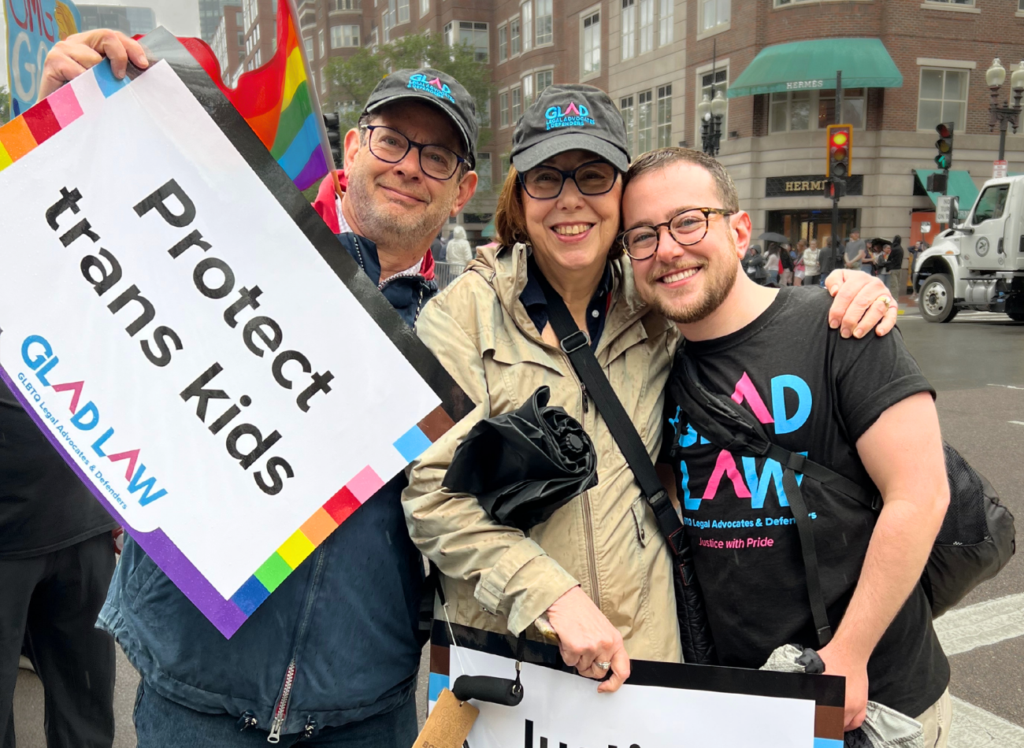
“When our son came out, we remember worrying about what his future would look like. Knowing he can get married and build a life with the person he loves gives us hope and reassurance as parents.“
-Michael and Sharon W.
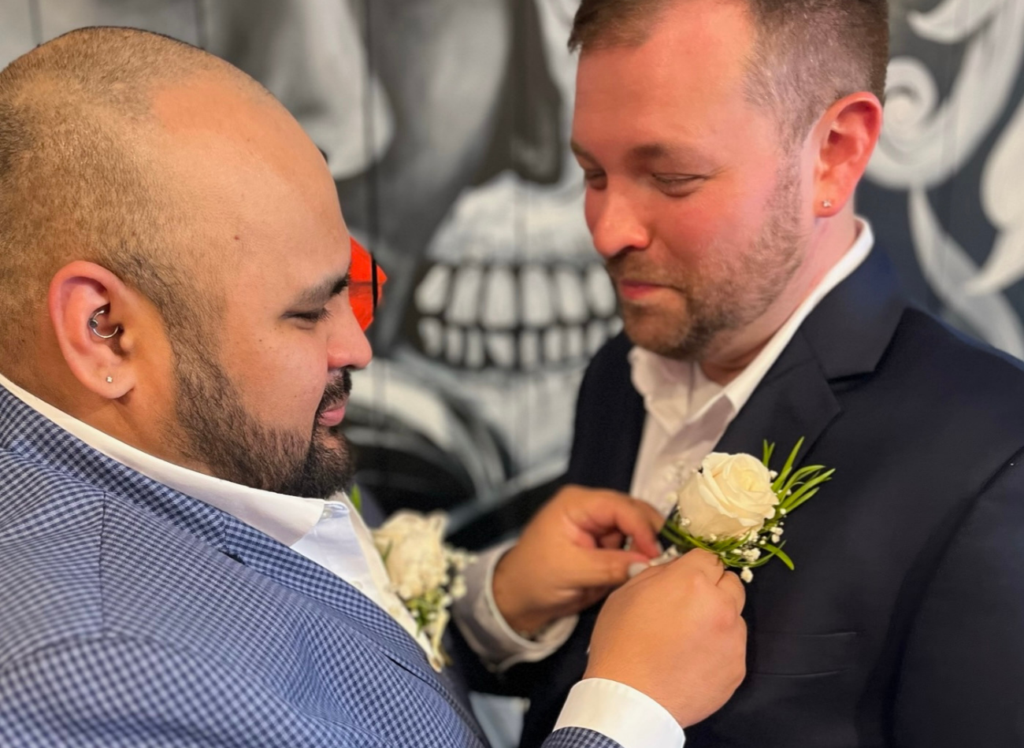
“For my husband and me, marriage has been filled with joy, laughter, little adventures, and the quiet strength of showing up for each other. It’s building a life where love leads, humor heals, and partnership feels like home.”
-Chris Borger-Hernandez
Marriage equality is about more than the right to get married.
It is about having the freedom to build a life with the person you love and make plans for your future on equal terms.
Your story can help GLAD Law show what marriage equality makes possible for real people and families – and why protecting the freedom to marry matters.
Share a story, memory, or reflection. A few sentences are all you need. We may use selected responses in GLAD Law’s advocacy and communications to help people understand the importance of our right to marry.
As a thank you for participating, you will be entered into a drawing to win a special tote bag from our brand new merch store.
And if you have questions or would like to talk to a member of the team before participating, please contact [email protected].
Letter from Our New Director of Development: Josh Arsenault

I’m thrilled to share that as of this spring, I have taken the role of Director of Development at GLAD Law. After nearly 5 years supporting the incredible work that we do to defend LGBTQ+ rights and protect people with HIV, and during one of the most challenging, yet promising times in our organization’s history, it is an honor and responsibility that I don’t take lightly.
This role also marks a new step on a journey that I began more than 10+ years ago. After the Pulse Nightclub shooting in 2016, where 49 people were killed and 58 others wounded just for having the audacity to live authentically and openly, the illusion of safety and security was erased. I told myself in that moment that I had an obligation to do more, because I could, and a decade ago this fall, I packed up my life in Los Angeles and moved to Pennsylvania to work on Hillary Clinton’s presidential campaign.
One night after her campaign ended and the world seemed upside down, I was sitting in a Wawa parking lot (if you know, you know) with my partner, now husband, of 8+ years, and I said, “I don’t know what’s next, but I need to keep doing this work. One day I want to be the Director of Development for an LGBTQ+ rights organization…”
My journey has had twists and turns, ups and downs, but that core belief of knowing I wanted to do more to have a positive impact on my community has guided me every step of the way. I’m humbled to be here, stewarding our incredible community of donors and supporters, as GLAD Law looks toward our 50th anniversary as an organization and continues its legacy of landmark legal victories.
My life outside of GLAD Law helps shape how I show up, too. My roots are in a small town in Maine – which has had an impact on my personality and approach to life. You could say I have a “northern attitude.” I now live in the suburbs of Philadelphia with my husband and our dogs, Lana (Del Ray) and Tobey (Maguire). When I’m not chasing them around the backyard or heading down the shore, I spend my time serving on the Board of Directors of Mitzvah Circle Foundation, a Philadelphia-area nonprofit serving families and people living in extreme poverty and need. I also serve as a commissioner on the LGBTQIA+ Advisory Council for Montgomery County, and when I have a spare hour, I’m flipping back and forth between a sporting event and an episode of Real Housewives.
I look forward to connecting with you more in the weeks and months ahead, and hope to see many of you at our Spirit of Justice Award dinner on Friday, November 6!

Warmly,
Josh Arsenault
GLAD Law’s Strategy Grows with Pro Bono Partners’ Support
Since January 2025, GLAD Law has filed 13 challenges against the Trump administration to protect our rights and freedoms. But we couldn’t have done all that so effectively and so quickly alone. Law firms we’ve had long relationships with, as well as new partners, have helped make it possible.
While some law firms have rolled back their pro bono practices during the second Trump administration, a significant number have doubled down on their efforts to protect civil rights.
The growth in our pro bono collaboration is clear evidence that the federal government’s efforts to get the legal industry to capitulate in full have failed, and it’s also a testament to the courage of those attorneys.
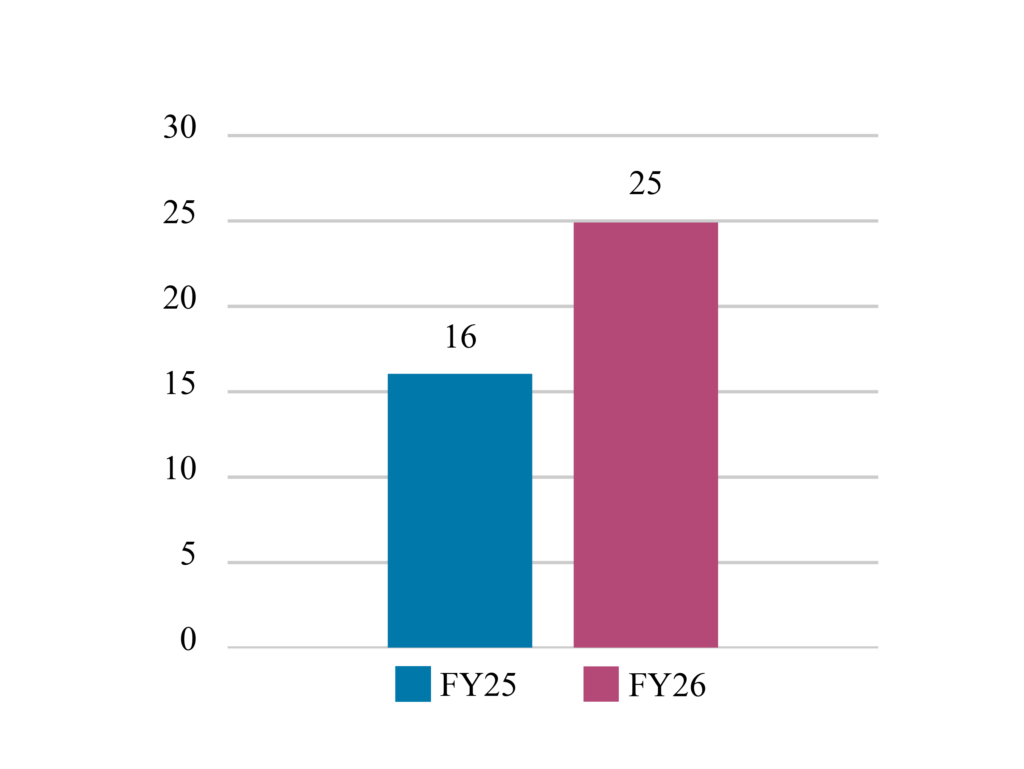
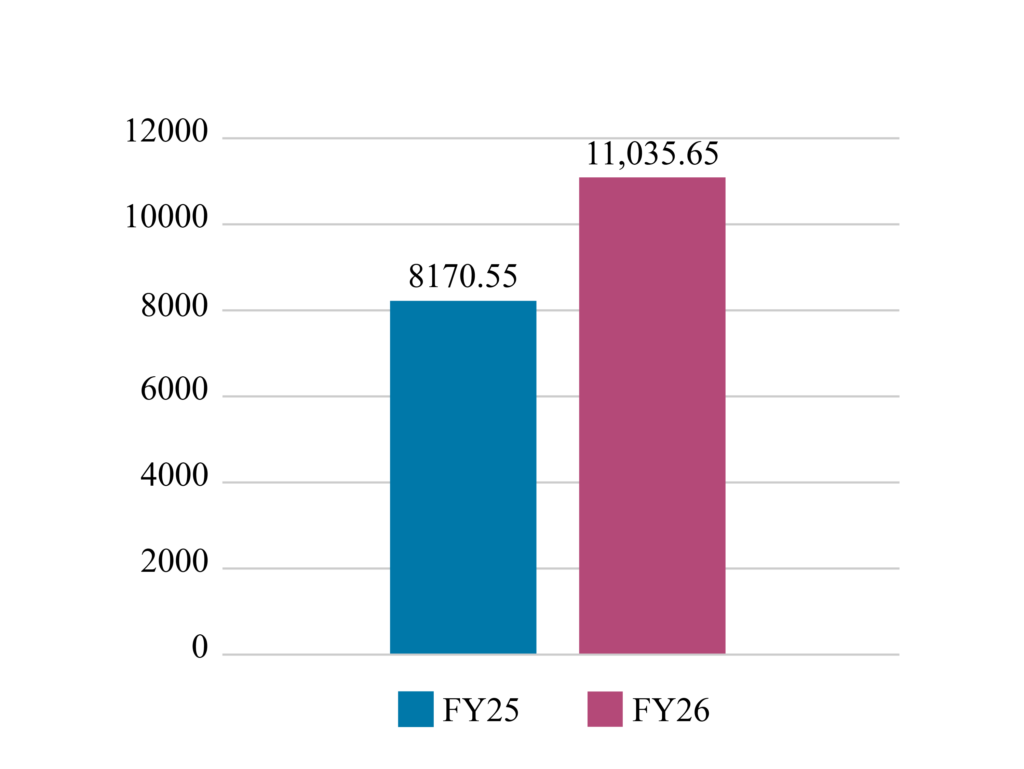
From Fiscal Year 2025 to FY2026, in-kind legal support grew 16%, from $8.14 million to $9.48 million. In the same period, the number of firms we’ve partnered with in significant ways increased by 25%, from 16 to 20. And the number of in-kind pro bono hours (donated legal work, valued at what firms would normally bill) rose 35% from 8,171 to 11,036.
Pro Bono Partners
Pro Bono Hours
Pro Bono Giving
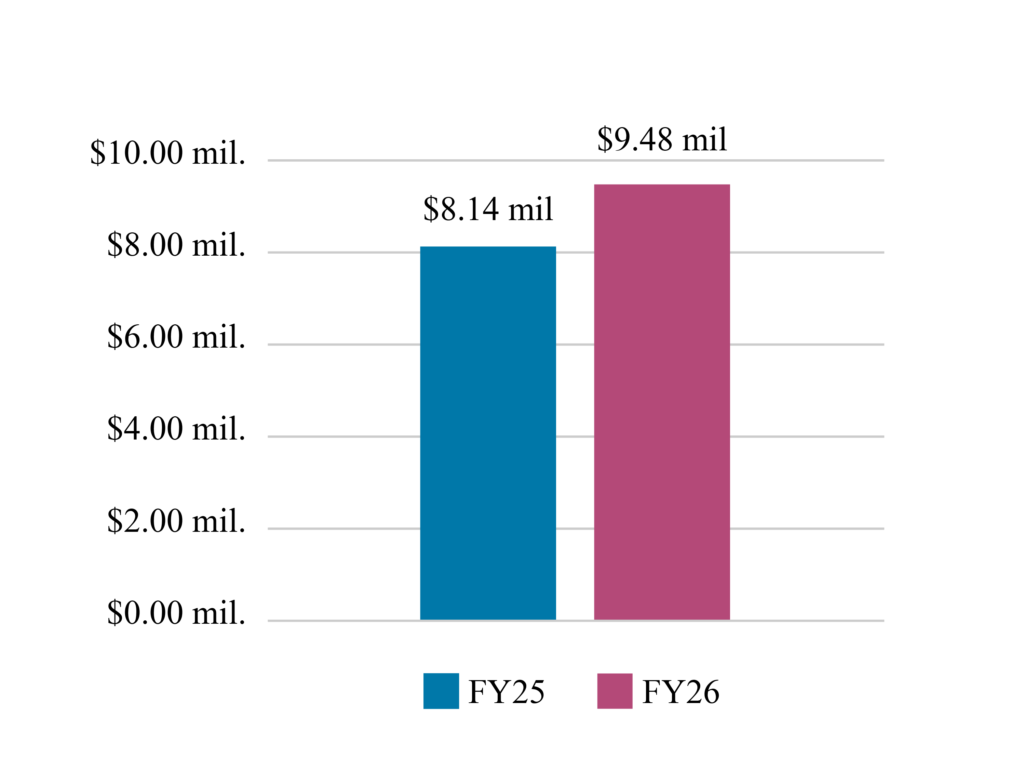
And we have low-bono arrangements, where our partners provide reduced-fee services, with five additional firms.
For FY2027, we are continuing to develop new relationships and have already partnered with new firms.
We are proud to work with these firms who have chosen to continue defending civil rights as our nation’s vulnerability to oligarchic and authoritarian agendas grows.
If your firm is interested in partnering with us and continuing the fight, contact Legal Director Joshua Rovenger à [email protected].
LGBTQ+ Advocates Convene to Strategize and Uplift Our Movement
On September 17, in Worcester, MA, GLAD Law hosted the New England Public Policy Advocates Convening, an annual gathering of advocates from across the New England states. The day focused on legal and policy updates, building connections, and celebrating our successes. Many thanks to the partners, advocates, and organizers who came from across New England to share wins, strategize for upcoming policy efforts, and build coalition to advance LGBTQ+ rights across the region.
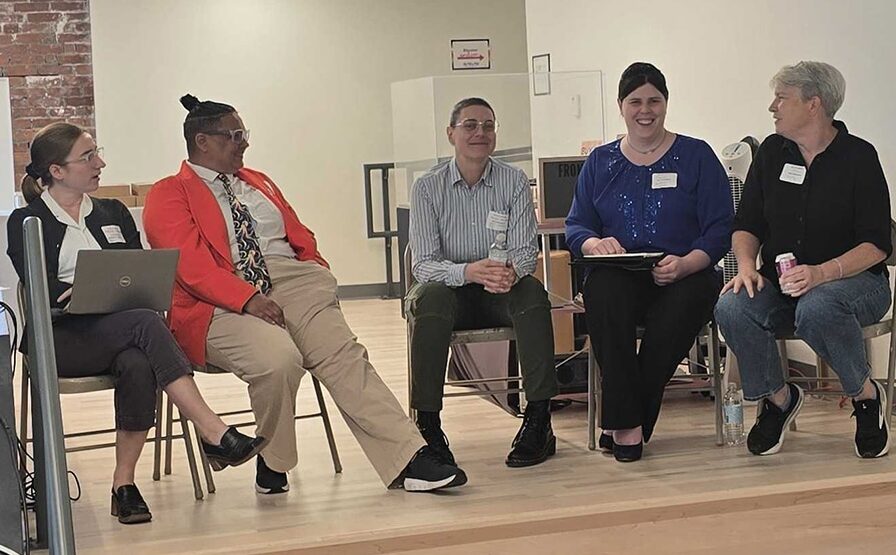
Charlie Parker Gliserman of VT Network
Tanya Neslusan of MassEquality
Heide Lester of EqualityMaine
Ryan Fontaine of Thundermist
Polly Crozier of GLAD Law

Title IX and LGBTQ+ Student Protections at School
There has been confusion in recent months about the state of legal protections for LGBTQ+ students in public schools, and what recent actions around Title IX mean.
Title IX is our federal law that prohibits sex discrimination in education.
Many federal courts have clarified over the years that discrimination based on sexual orientation or transgender status is sex discrimination. The Supreme Court affirmed that in its 2020 ruling, Bostock c. Comté de Clayton, about protections from workplace discrimination under Title VII.

While federal administrations can issue regulations about how they are going to interpret federal laws, they cannot change the meaning of the law itself.
So, while the Trump administration has made it clear that it does not intend to enforce Title IX protections in support of LGBTQ+ students, the administration cannot change the underlying law.
Similarly, while the Supreme Court recently issued a ruling that Title IX does not prohibit states from categorically banning transgender girls from playing on their school’s girls’ sports teams, there are two important things to understand about that ruling. First, the Court did not say that Title IX nécessite schools or states to ban transgender girls from school sports. Second, the Court very specifically said that its ruling had no bearing on Title IX beyond the specific context of sports.
Both of these things are important to keep in mind as the Trump administration attempts to use Title IX as both a lever to investigate schools that allow transgender girls to play on girls’ teams, as many have done without issue for years; and to threaten schools that have policies in place to ensure all students, including LGBTQ+ students, have the support and access they need to successfully learn and participate in school life.
The Department of Education has also formally restored the 2020 Title IX regulations issued under the first Trump administration, but that action Cela ne signifie pas que les étudiants LGBTQ+ ont perdu leurs protections juridiques.. Le ministère précise que ce rétablissement ne modifie en rien les règles de fond déjà en vigueur. Les élèves LGBTQ+ conservent leurs droits en vertu des lois fédérales et étatiques, notamment la protection contre le harcèlement et la discrimination fondés sur le sexe.
LGBTQ+ students, like all students, deserve to be safe at school. This administration may not have the backs of LGBTQ+ students, but GLAD Law does. We are committed to helping students who experience harassment and bullying at school. If you’re a student, parent, educator, or advocate who has experienced or witnessed bullying or harassment of LGBTQ+ students, please consider partager votre histoire to help us spot trends and strengthen protections. And if you have any questions about how this may impact you or a student in your life, please reach out to our free legal infoline Réponses juridiques GLAD.
Recap of the Defending Democracy for All of Us Webinar
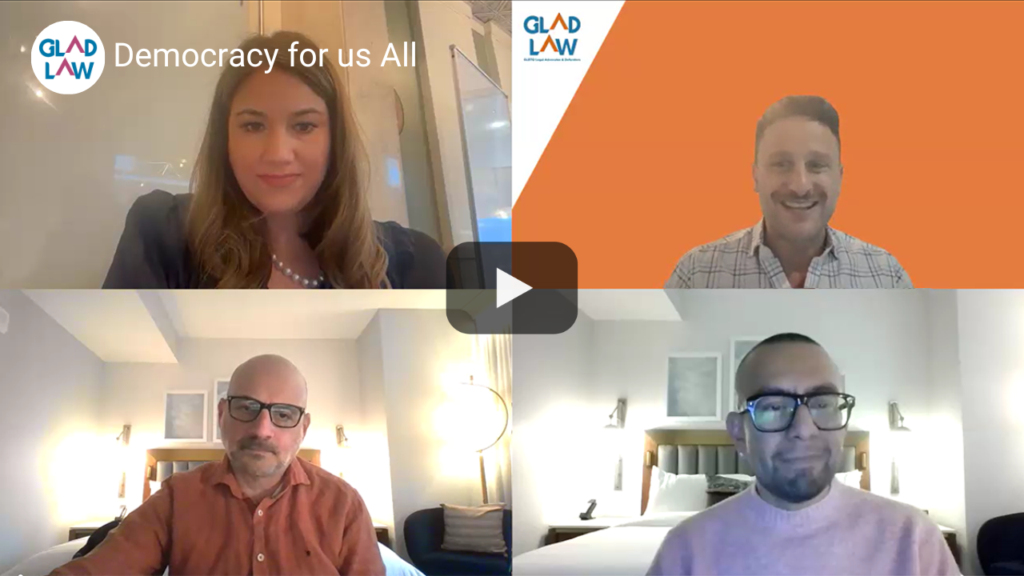
On September 29, GLAD Law was honored to partner with Democracy Forward and Immigration Equality for a community briefing on protecting civil rights and freedoms at a time when the federal administration is launching new attacks daily to target vulnerable communities and undermine our democratic foundations. GLAD Law Executive Director Ricardo Martinez joined a panel with Democracy Forward President and CEO Skye Perryman and Immigration Equality Executive Director Aaron Morris, moderated by GLAD Law Legal Director Josh Rovenger.
The panelists discussed how our missions connect across LGBTQ+, immigrant, and justice movements, from litigation and state policy to public education and community organizing. We shared recent wins, including a federal court ruling that blocked a Department of Justice subpoena for transgender young people’s private medical records, and the new Massachusetts law protecting access to HIV prevention medication (learn more about both in our Mise à jour juridique). Skye noted that nearly 1,000 cases have been filed challenging the Trump administration’s illegal actions, and courts have repeatedly (though not uniformly) acted as a check on executive overreach. Aaron emphasized that LGBTQ+ and immigrant communities are “the canaries in the coal mine,” and that protecting them protects democracy for everyone.
GLAD Law and partner organizations like Democracy Forward and Immigration Equality work every day to hold the line on our rights and freedoms, but we don’t do this work alone. Every individual can make a difference: check your voter registration and help neighbors vote, run for local office, volunteer, donate, and show up for immigrant rights.
As Ricardo said during the briefing: democracy only works when people show up.
Honoring Vanita Gupta: A Career Advancing Justice for All
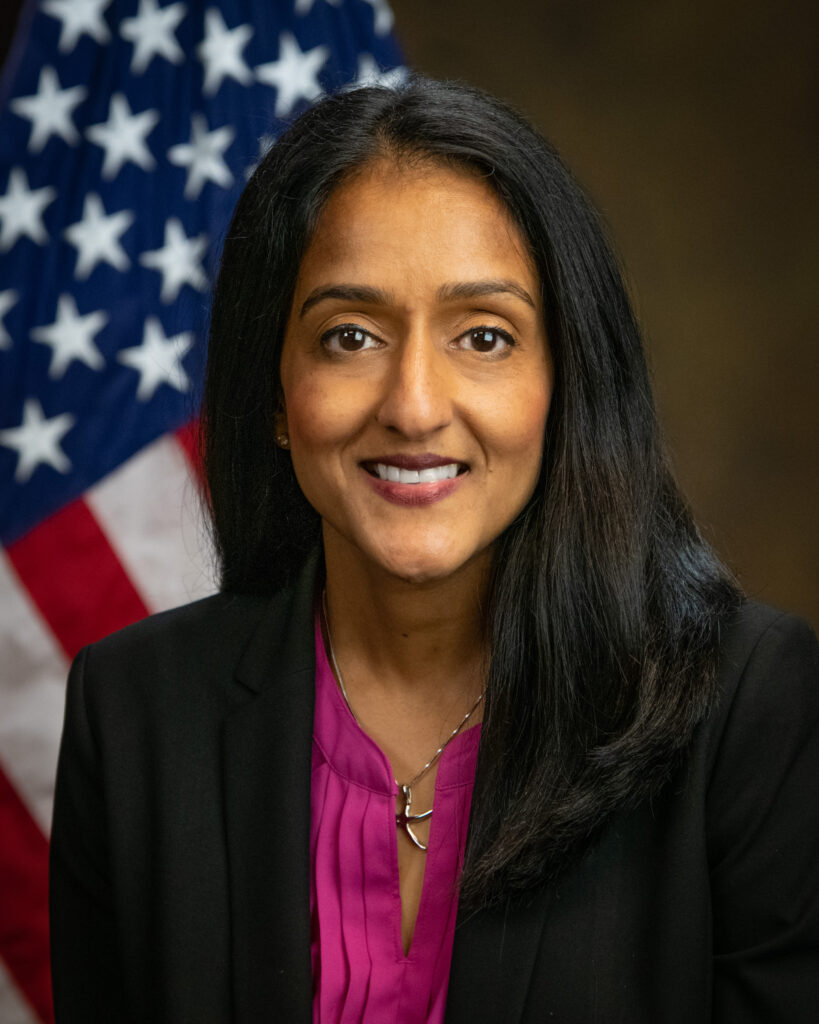
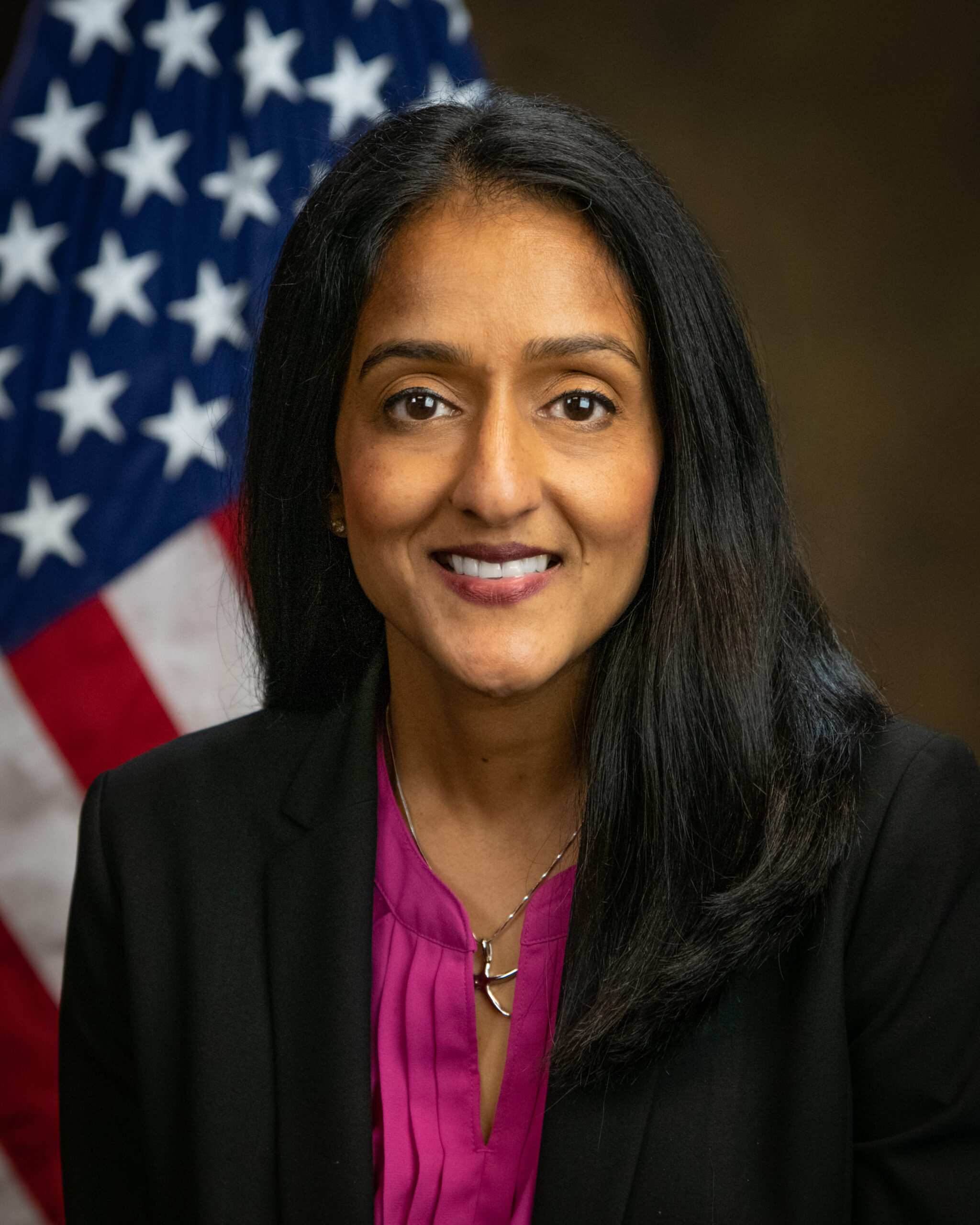
Vanita Gupta is a lawyer, leader, and tireless champion for justice whose career has been defined by a singular conviction: that civil rights struggles are inseparable, and that the communities most targeted by injustice are also the most powerful force for defending democracy and the rule of law. From her work at the Department of Justice to her current advocacy on behalf of civil rights organizations navigating an era of authoritarian overreach, Gupta has united advocates across causes, amplified their collective power, and shown what becomes possible when movements recognize their shared strength.
This fall, GLAD Law will honor Gupta with its 2026 Spirit of Justice Award, recognizing a career that has not only shaped modern civil rights law but has made a material difference in people’s lives.
The award, to be presented at GLAD Law’s annual Spirit of Justice Dinner in Boston on November 6, celebrates individuals whose courage, vision, and impact embody the fight for justice. For Gupta, those qualities have defined a career spanning the highest levels of government and some of the nation’s most influential civil rights organizations.
“Whether securing justice for the wrongfully convicted, holding police departments accountable, or advancing the rights of LGBTQ+ people at the highest levels of government, Vanita has repeatedly demonstrated what it means to use the law as it was intended: as a shield for the defenseless and a sword against injustice. That is the spirit of justice we are proud to honor,” said Executive Director Ricardo Martinez.
Gupta’s work has centered on turning constitutional promises into lived reality. As Associate Attorney General at the US Department of Justice (DOJ) from 2021 to 2024 – the first woman of color to hold the position – she helped implement the Biden-Harris administration’s civil rights agenda, advancing protections for LGBTQ+ people while also tackling issues ranging from reproductive rights to gun violence prevention, environmental justice, and rebuilding trust between communities and law enforcement.
Her earlier tenure leading the DOJ’s Civil Rights Division during the Obama administration further cemented her reputation as a force for systemic change. Under her leadership, the department investigated police practices in cities like Ferguson, Baltimore, and Chicago, pursued voting rights enforcement, and broke new ground on LGBTQ+ equality with challenges to law and policy that discriminated against transgender people.
But Gupta’s impact didn’t begin in Washington. Early in her career, as a staff attorney at the NAACP Legal Defense Fund, she helped secure the exoneration of 38 people wrongfully convicted in racially biased drug stings in Tulia, Texas, litigation that starkly typifies both systemic failure and the law’s potential for restoration. She later helped lead major criminal justice reform efforts at the ACLU and guided a broad civil rights coalition as president and CEO of The Leadership Conference on Civil and Human Rights.
Now, as the inaugural director of the Center for Law and Public Trust at NYU School of Law, Gupta is focused on an increasingly urgent question: how to strengthen and sustain the institutions that underpin American democracy.
That mission resonates deeply with GLAD Law’s work. For decades, we have secured protections, expanded freedoms, and ensured dignity for LGBTQ+ people and their families, demonstrating how legal advocacy can produce meaningful, material change while reinforcing our nation’s core democratic values.
Gupta’s career offers a clear throughline: using the law with courage, creativity, and integrity can transform lives and move the US closer to its highest ideals. In honoring her, we not only celebrate a singular leader but also affirm the power of legal advocacy to advance justice – and the urgent need to continue this work.
History Repeating Itself
Ballot Initiatives Target Transgender Youth This Year, But Our Community Knows How to Protect Our Families and Neighbors
The LGBTQ+ community is no stranger to having our rights put to a vote. From Anita Bryant’s Miami-Dade, Florida campaign to repeal nondiscrimination protections in the 1970s and Colorado’s Amendment 2 barring cities and towns from passing such protections in the 1990s, to 11 states voting for anti-marriage equality measures in 2004 and California voters passing Prop 8 in 2008, we’ve seen campaigns use money, influence, and disinformation to convince neighbors to take away our rights.
This year, ballot campaigns in five states are targeting transgender young people. These initiatives follow the playbook from 2024, when more than $200 million was spent attacking transgender people for political gain. They’re a last-ditch effort by politicians to drive turnout and use scare tactics to pass laws that solve no problems but hurt transgender youth and their families.
These measures aim to place the government in charge of decisions that should be left to families and local communities. Some aim to take away parents’ ability to make the best health care decisions for their transgender kids. Others aim to remove sports associations, local school boards, and parents from decisions about fairness and safety in sports – instead replacing them with categorical bans that deny transgender kids the opportunity to play on a team with their friends and put all kids at risk of abusive gender checks.
We’ve been here before, and we know how to turn this around. We turned the tide on marriage equality and upheld nondiscrimination protections at the ballot in states like Maine and Massachusetts by sharing our stories, talking to our neighbors, getting engaged in our communities, and showing up for one another.
This fall, voters in five states – and nationwide – have the chance to come together to safeguard the freedom of all families, including families of transgender youth, to live their lives free from government overreach, to protect kids’ safety and privacy, and ensure families’ most personal decisions can be made without political interference.
Whether you are a voter in one of these states or want to know how to support from wherever you are, visit one of these sites to learn more:
- Arizona: No on 318
- Colorado: Families Not Politics
- Washington Coalition opposing I-001 & I-638
Join a national phone bank for a volunteer opportunity
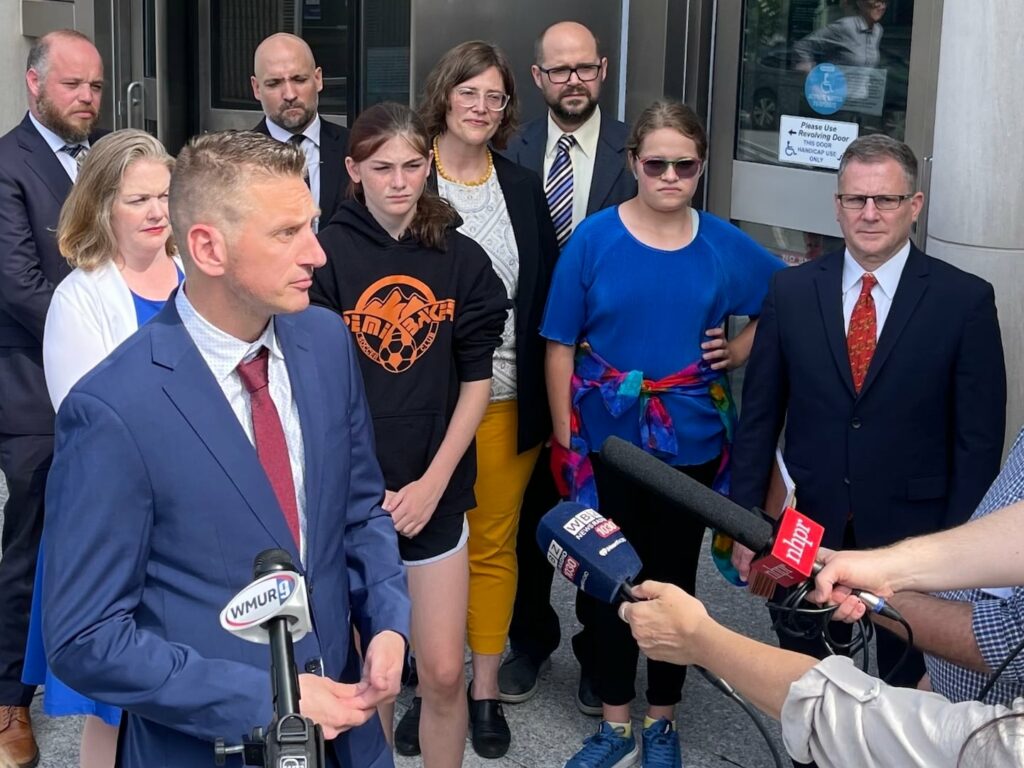
Tirrell et Turmelle contre Edelblut: GLAD Law has been fighting for transgender students to be able to fully participate at school
Recevez des mises à jour
Merci d'avoir lu les GLAD Law Briefs. C'est grâce à votre soutien que ce travail est possible.
Rejoignez la liste de diffusion de GLAD Law pour recevoir des mises à jour sur les problèmes qui vous intéressent, les événements virtuels à venir et les opportunités de faire progresser l'égalité et la justice !
 Français
 English
 Español de México
 Português
 简体中文
 香港中文
 Tiếng Việt
 العربية
 Polski
 Русский
 Deutsch
 Kreyòl Ayisyen